


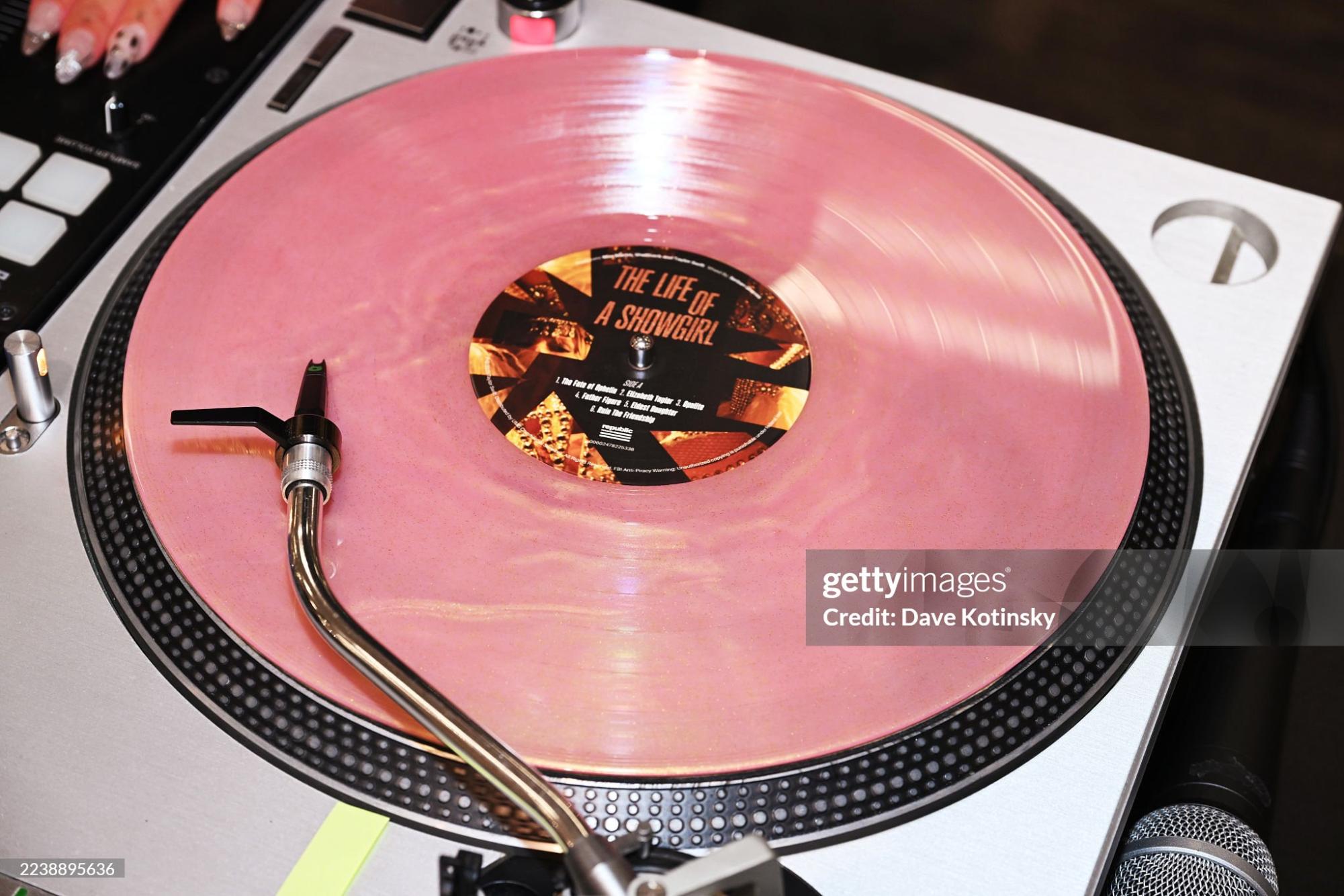
Disclaimer: This article was written before the release of Taylor Swift's 2025 album: The Life of a Showgirl.
A once-in-a-generation star bursts in a supernova at the height of its powers, as everyone pulls out their eclipse glasses to stare at the sky. In a bright burst of orange, Taylor Swift released her new album The Life of a Showgirl, signifying a deeper shift in pop culture. The superstar needs no introduction, but her criticism might.
Last year, she reached the peak of her powers, however, this overexpose presented a new threat: becoming mainstream. Society has a funny way of positioning itself with a contrarian mask, constantly agitating the public and causing change. Especially given short term media like TikTok, society is deeply fearful of conformity.
Many believe that humans aim to conform with others and fall into “groupthink”, but this belief falters when subcultures form in spite of the mainstream. The language surrounding words like ‘basic’ or ‘popular’ has shifted towards a displeasing, undesirable trait that is best avoided by voicing dislike for the fad.
2022 marked Swift’s return to pop music, and she was met with open arms. Dentists, mothers, construction workers, teachers, and even the unemployed attended the Eras Tour and posted a Taylor Swift lyric caption with a couple friendship bracelets. Like any popularity, though, this period was quickly metabolized and met with annoyance and criticism.
Other showgirls like Britney Spears, Mariah Carey, Madonna, and Stevie Nicks faced similar criticism at the height of their powers. Mariah was a produced popstar at the time, but in hindsight, critics laugh at that description today. Stevie Nicks and Madonna were both criticized for their singing ability while Britney endured the harshest treatment.
She was mocked by the media into a grueling conservatorship. These artists, while ridiculed at their prime, are now the blueprints of artistry and paragons of what music “should be”. All misunderstood, like Swift, they suffered from the public’s instinct to resist the mainstream.
This phenomenon stems from the public’s desire to individualize and separate from the common. Rejecting popularity creates a sense of sophistication, which is why pop music is rarely respected in its time.
The battle between contrarianism and conformity drives culture, forcing society to evolve. Without the urge to resist the mainstream, culture would stall. This fact does not excuse valid criticisms regarding the quality of the art. Art is subjective, but a legacy is a delicate, long built palace that must be maintained at all points in a career.
If Swift’s latest work lacks the focus and discipline that made her prior work worthy of a legacy comparable with other blueprints, then she is risking her future impact for modern, short-lived entertainment. However, it is almost as if the life of a showgirl is to accept her art will not be fully understood in its time, and only in hindsight will her art be appreciated as it should have been.