
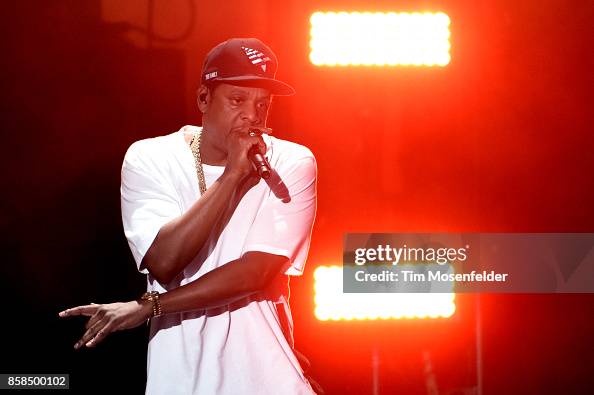
On his 2017 album “4:44,” Jay-Z presents “The Story of O.J.” to address the challenges faced by Black Americans, namely: racial identity, financial security, and personal identity. Instead of expressing arrogance over his accomplishments, Jay-Z has focused on the implications of being an African American man in today’s society, regardless of an individual’s success and wealth.
The title stems from an early statement made by O.J. Simpson when he stated, “I’m not black. I’m O.J.” In his opinion, too many Black entertainers believe that fame and wealth will exempt them from (or give them) immunity from racism. To this end, Jay-Z mocks these entertainers with his response of simply saying, “yeah,” thus making it clear that society will always label an individual as “Black” before any other label no matter how famous or wealthy the entertainer becomes.
The major topic of this piece is financial literacy. In his lyrics, Jay-Z states that money is often wasted on things such as shoes, video games and other useless expenditures instead of investing it in themselves for the future. Jay-Z states the following “You want to know what’s more important than going to a strip club and throwing your money away? Having Good Credit”. A key point that strikes out from the lyrics is the fact that it goes against the typical image of rap artists, who typically brag about their frivolous spending when often it is not necessary. Instead, Jay-Z is advocating for financial understanding and stability over time and sharing constructive criticism based on mistakes he has made.
Jay-Z also mentions generational wealth when he states, “Financial freedom is my only hope / I would rather die wealthy than have to live a life of poverty.”
In this lyric, Jay-Z shows a shift in his perspective from simply “having money” to “building wealth that lasts.” He also reflects the larger concern of people in the Black community, that is, due to systemic racism, there are obstacles to passing on wealth from generation to generation.
Through the use of animation combined with the utilization of visuals reflecting stereotypical depictions of Blackness from racist cartooning styles, the animated music video reinforces the song’s message significantly. The purpose of displaying images of this nature is to make people understand how uncomfortable these types of images are and, therefore, force them to see how our society has treated African American images throughout history via the media. Through this symbolic changing of the image, Jay-Z is able to re-enact that historical treatment and allow the audience to see both that representation as well how we should all come to terms with who we are based on our own historical backgrounds.
In the song “The Story Of O.J.”, Jay-Z highlights that for people to grow, they must be truthful with themselves and to each other., Jay-Z reclaims those same images and provides his audience with a clearer understanding of not only how they have been portrayed historically, but also how they can become self-aware about their own histories.
The song emphasizes the importance of self-truth and honesty if we wish to grow as people. He does not hold himself or any other person he writes about as being perfect. Jay-Z has been able to learn from his mistakes in the past and represent both those areas through the lyrics of his song. The narrative within this song resonates with someone who has experienced a similar situation whether it be financially, or regarding their personal identity or feeling of self-worth.
Simply put, “The Story of O.J.” recognizes that reality is something we cannot escape; therefore, it must be faced. In addition to that, Jay-Z advises listeners to understand their history and be rational about managing their finances as well as being comfortable with their own identity, regardless of who or what they might be ashamed of being. Not only does “The Story of O.J.” show that hip hop has the potential to offer entertainment value while imparting valuable moral lessons, but it also represents what Jay-Z does with his music; he uses his music as a means of imparting knowledge to future generations.
Works Cited
Jefferson, J’na. “Songs That Defined the Decade: Jay-Z’s “the Story of O.J.”” Billboard, 21 Nov. 2019, www.billboard.com/music/music-news/jay-z-story-of-oj-songs-that-defined-the-decade-8543924/.