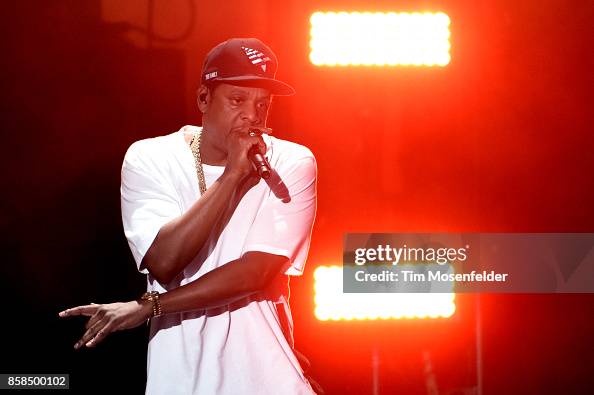

Celebrities play a unique role as a hyper visible reflection of society itself. The sphere of people mirrors a typical community on steroids: there are the dissenters and conformists, comedians and intellectuals, and the dramatic and restrained all in this sample size of the population.
Because of this visibility, celebrities often come to represent the emotional and ideological climate on a global stage. Oftentimes, their political opinions matter so much that their endorsements can impact election results and the political climate of the country.
In 2008, Oprah endorsed Obama, with polls from Pew Research Center suggesting she significantly helped him in a certain demographic with a celebrity endorsement.

Celebrities cannot solely control election results, however. Kamala Harris’s 2024 celebrity endorsements included influential figures like Billie Eilish, Olivia Rodrigo, and Beyonce were not enough to win the election despite the l35,000 new voters registering at Vote.org following Taylor Swift’s efforts of solidarity with Harris’ campaign.
While these celebrities have an impact on change, that alone is not why people look to their political stances.
The public does not look to celebrities solely for persuasion. Rather, they look at celebrities as a cultural thermometer, indicating the political climate.
In an unstable, ever-changing world, endorsements every presidential cycle is not enough for confirmation of ideology. Nicki Minaj, for example, was a noted antagonist to Donald Trump during his first presidency and bleeding into much of Biden’s tenure. Yet in recent months, she sat with Erika Kirk and shook hands with Donald Trump, celebrating his efforts in his first year in office.
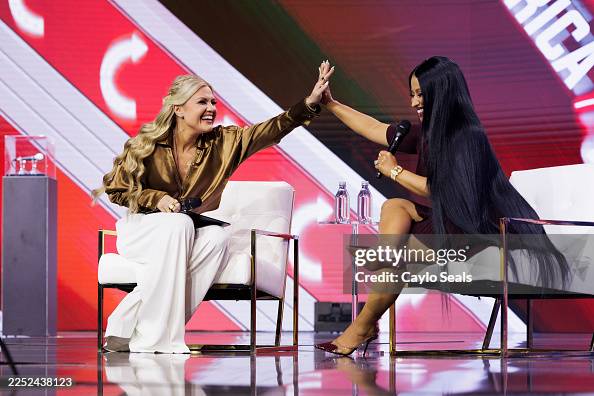
This fickle nature of ideology in the celebrity landscape leaves the public unsure in the loyalty of the celebrity’s public image and their own true desires and beliefs.
The public needs celebrities to draw lines in the sand as to where they stand in the political spectrum to better define where the public mood is set in a given moment.
These personalities are misunderstood as indicators of what the average person thinks instead of a collection of people with vastly different experiences, situations, and perspectives than the everyday person.
Celebrities are not our thermometer for political temperature, rather people with the loudest microphones reminding the public of why we love or hate them in the first place.